
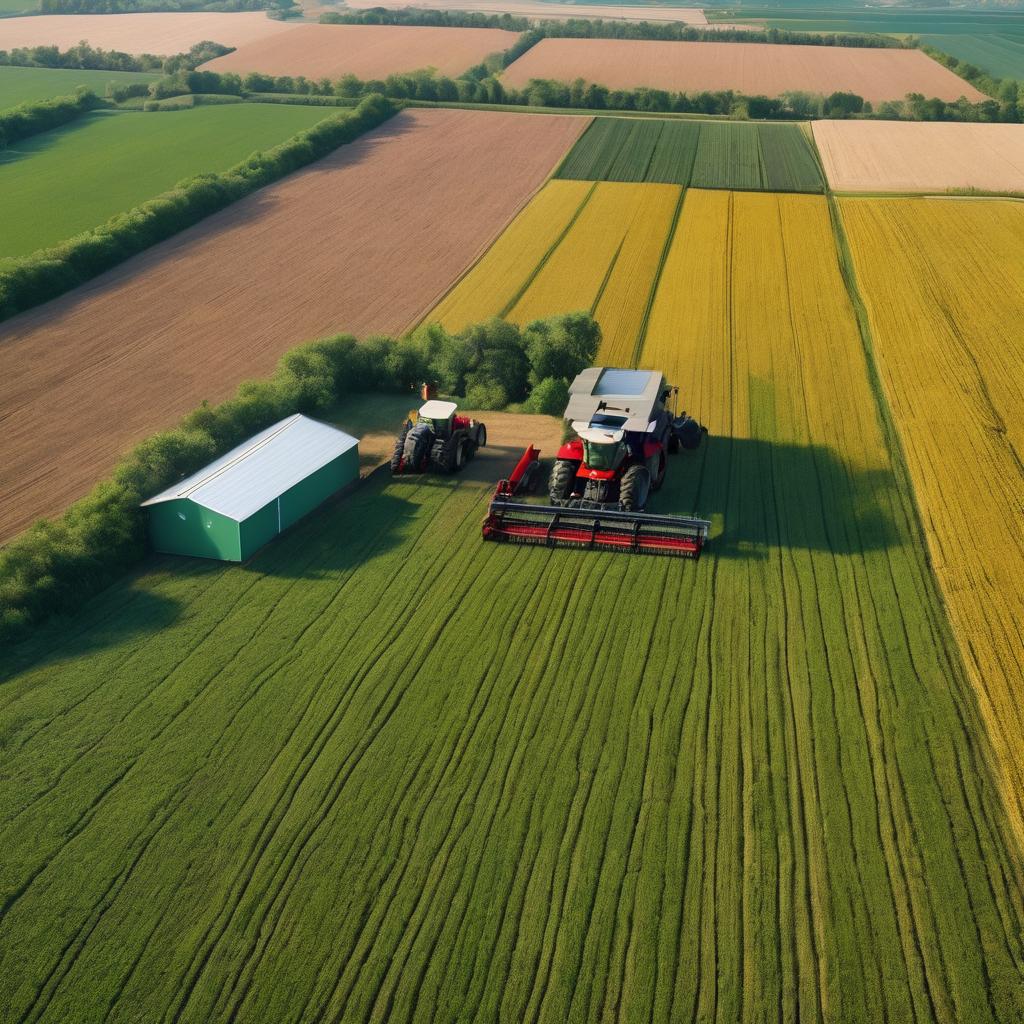
Agriculture, the backbone of human civilization, has seen remarkable transformations over the centuries. From traditional farming methods to the Green Revolution, technology has played a pivotal role in increasing productivity and feeding the growing global population. In the 21st century, Artificial Intelligence (AI) is ushering in a new era of smart agriculture, revolutionizing every aspect of the industry.
1. Precision Farming
AI-driven precision agriculture is changing the way farmers manage their crops and livestock. Through the use of sensors, drones, and satellite imagery, AI can collect data on soil conditions, weather patterns, and crop health. Machine learning algorithms analyze this data to make informed decisions about planting, irrigation, and pest control. This results in optimized resource use, higher crop yields, and reduced environmental impact.
2. Crop Monitoring and Management
AI-powered image recognition and computer vision technologies enable real-time monitoring of crops. Drones and ground-based cameras can capture images of fields, identifying issues like diseases, pests, and nutrient deficiencies. Farmers receive alerts and recommendations, allowing for early intervention and better crop management.
3. Predictive Analytics
AI can predict crop yields and market conditions based on historical data, weather forecasts, and market trends. This helps farmers make informed decisions about planting, harvesting, and selling their produce. Predictive analytics also assist in managing supply chains more efficiently, reducing food wastage.
4. Livestock Management
AI is not limited to crops; it extends to livestock management as well. Sensors and wearable devices collect data on animal health, behavior, and productivity. AI algorithms analyze this data to detect early signs of illness, optimize feeding regimes, and improve breeding practices, ensuring healthier livestock and increased yields.
5. Irrigation Management
Efficient water management is critical in agriculture. AI-driven irrigation systems use real-time data to determine when and how much to irrigate. This reduces water wastage, lowers energy costs, and minimizes environmental impact.
6. Autonomous Farming Equipment
AI-powered autonomous tractors and machinery are changing the way farms operate. These machines can plow, plant, and harvest crops without human intervention. They work 24/7, increasing efficiency and reducing labor costs.
7. Soil Health and Nutrient Management
AI helps farmers maintain soil health by analyzing data on soil composition and nutrient levels. This ensures that crops receive the right balance of nutrients, leading to healthier plants and improved yields.
8. Pest and Disease Control
AI models can predict the outbreak of pests and diseases by analyzing environmental conditions and historical data. Farmers receive alerts and recommendations for targeted pest control, reducing the need for pesticides and minimizing environmental harm.
9. Market Access and Price Optimization
AI-powered platforms connect farmers directly with consumers and markets. Farmers can access real-time market prices, negotiate better deals, and sell their products online, reducing dependency on intermediaries.
10. Sustainability
AI-driven agriculture promotes sustainability by optimizing resource use, reducing waste, and minimizing environmental impact. Sustainable practices are essential for preserving the planet for future generations.
In conclusion, AI is reshaping agriculture by making it smarter, more efficient, and sustainable. It empowers farmers with data-driven insights and automation tools that enhance productivity while minimizing environmental harm. As the world faces the challenge of feeding a growing population, AI in agriculture is not just a technological advancement; it’s a necessity for the future of food production. With ongoing research and innovation, the integration of AI into agriculture will continue to evolve, ensuring a more resilient and productive agricultural sector.
Title: AI in Agriculture: Cultivating the Future
Agriculture, the backbone of human civilization, has seen remarkable transformations over the centuries. From traditional farming methods to the Green Revolution, technology has played a pivotal role in increasing productivity and feeding the growing global population. In the 21st century, Artificial Intelligence (AI) is ushering in a new era of smart agriculture, revolutionizing every aspect of the industry.
1. Precision Farming
AI-driven precision agriculture is changing the way farmers manage their crops and livestock. Through the use of sensors, drones, and satellite imagery, AI can collect data on soil conditions, weather patterns, and crop health. Machine learning algorithms analyze this data to make informed decisions about planting, irrigation, and pest control. This results in optimized resource use, higher crop yields, and reduced environmental impact.
2. Crop Monitoring and Management
AI-powered image recognition and computer vision technologies enable real-time monitoring of crops. Drones and ground-based cameras can capture images of fields, identifying issues like diseases, pests, and nutrient deficiencies. Farmers receive alerts and recommendations, allowing for early intervention and better crop management.
3. Predictive Analytics
AI can predict crop yields and market conditions based on historical data, weather forecasts, and market trends. This helps farmers make informed decisions about planting, harvesting, and selling their produce. Predictive analytics also assist in managing supply chains more efficiently, reducing food wastage.
4. Livestock Management
AI is not limited to crops; it extends to livestock management as well. Sensors and wearable devices collect data on animal health, behavior, and productivity. AI algorithms analyze this data to detect early signs of illness, optimize feeding regimes, and improve breeding practices, ensuring healthier livestock and increased yields.
5. Irrigation Management
Efficient water management is critical in agriculture. AI-driven irrigation systems use real-time data to determine when and how much to irrigate. This reduces water wastage, lowers energy costs, and minimizes environmental impact.
6. Autonomous Farming Equipment
AI-powered autonomous tractors and machinery are changing the way farms operate. These machines can plow, plant, and harvest crops without human intervention. They work 24/7, increasing efficiency and reducing labor costs.
7. Soil Health and Nutrient Management
AI helps farmers maintain soil health by analyzing data on soil composition and nutrient levels. This ensures that crops receive the right balance of nutrients, leading to healthier plants and improved yields.
8. Pest and Disease Control
AI models can predict the outbreak of pests and diseases by analyzing environmental conditions and historical data. Farmers receive alerts and recommendations for targeted pest control, reducing the need for pesticides and minimizing environmental harm.
9. Market Access and Price Optimization
AI-powered platforms connect farmers directly with consumers and markets. Farmers can access real-time market prices, negotiate better deals, and sell their products online, reducing dependency on intermediaries.
10. Sustainability
AI-driven agriculture promotes sustainability by optimizing resource use, reducing waste, and minimizing environmental impact. Sustainable practices are essential for preserving the planet for future generations.
In conclusion, AI is reshaping agriculture by making it smarter, more efficient, and sustainable. It empowers farmers with data-driven insights and automation tools that enhance productivity while minimizing environmental harm. As the world faces the challenge of feeding a growing population, AI in agriculture is not just a technological advancement; it’s a necessity for the future of food production. With ongoing research and innovation, the integration of AI into agriculture will continue to evolve, ensuring a more resilient and productive agricultural sector.